
Therapeutic Care Is More Than Therapy Sessions
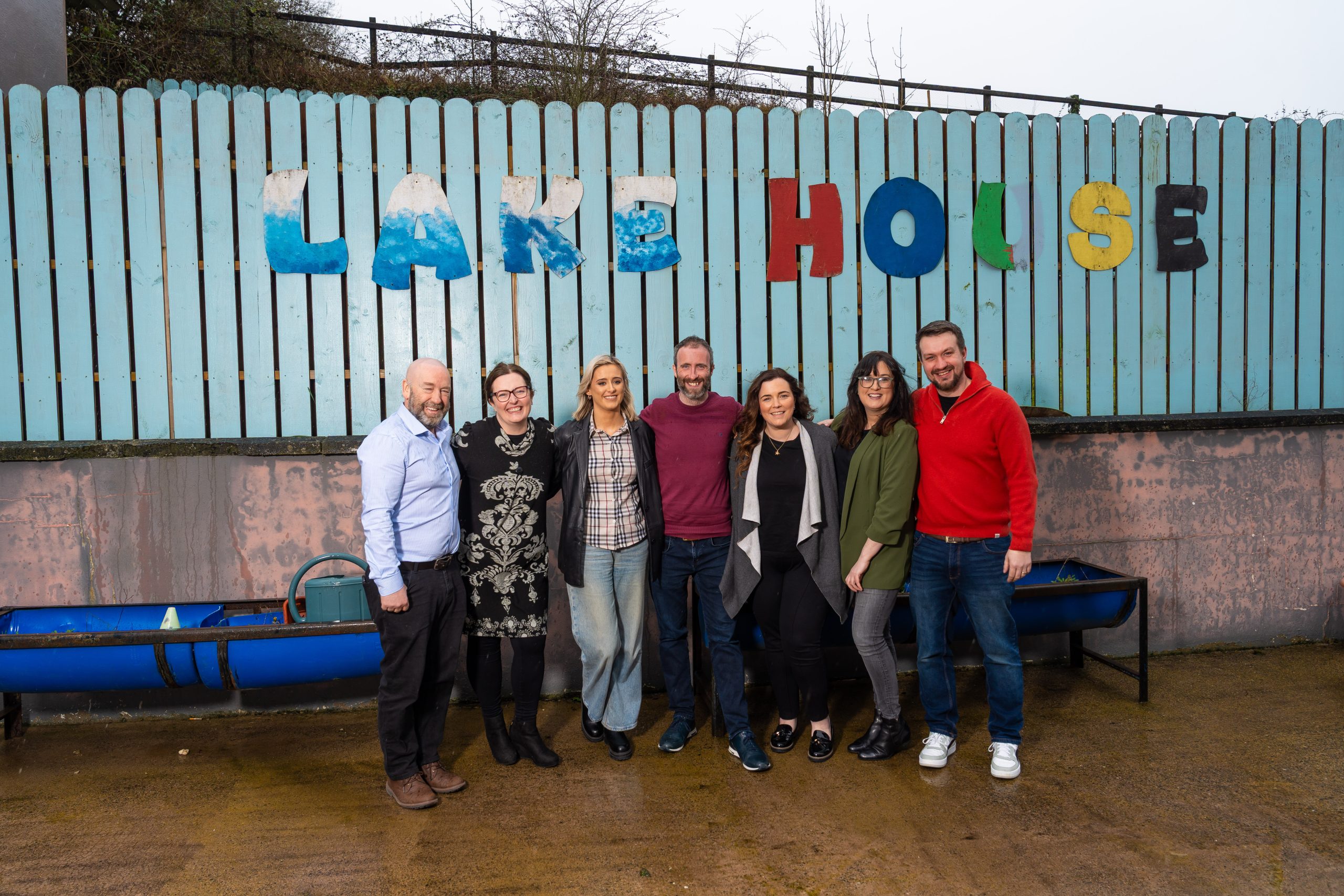
When people think about healing from childhood trauma, they often picture a clinical office: a weekly, 50-minute therapy session in a quiet room, delivered with a clear structure, purpose and therapeutic method. While formal therapy can be highly valuable, therapeutic care extends far beyond scheduled sessions. In children’s residential care, healing also occurs through everyday interactions, routines, relationships and responses. It happens in the kitchen, during homework support, in moments of distress, and through the repeated experience of being met with calm, care and consistency.
At Ashdale, staff across all roles contribute to therapeutic care through the way they relate to young people, respond to need and create emotional and physical safety. Not every young person will require formal therapy at every stage of their care journey, but every young person can benefit from therapeutic relationships and environments. This understanding is central to Ashdale’s trauma- and attachment-informed approach, where safety, trust, predictability and repeated relational experiences are recognised as essential foundations for healing. The Therapeutic Support Team (TST) supports residential teams to understand behaviour through this therapeutic lens and to embed that understanding into everyday care.
The Power of Everyday Relational Care
In Ashdale Care, our approach is guided by a well-developed model for creating and sustaining therapeutic daily environments. Central to this are the CARE (Children and Residential Experiences) and TCI (Therapeutic Crisis Intervention) frameworks, both developed by the Residential Child Care Project at Cornell University to support residential settings as places of active growth and development. Rather than focusing solely on direct clinical sessions, members of Ashdale’s in-house Therapeutic Support Team build from the CARE and TCI frameworks and work primarily through an indirect consultation and support model. The team is trauma-informed, attachment-focused and relationship-oriented, recognising that some of the most powerful opportunities for healing occur through the residential care workers who hold the closest and most consistent relationships with young people. By guiding, advising, collaborating with and strengthening the skills of frontline staff, the TST helps ensure that everyday interactions are purposeful, attuned and therapeutically informed.

Integrating Trauma-Informed Positive Behaviour Support
The TST also integrates Trauma-Informed Positive Behaviour Support (TI-PBS) into this wider model of care. Traditional behaviour management approaches have often focused on shaping behaviour through consequences alone. In contrast, Ashdale’s ethical, attachment-focused and trauma-informed PBS approach understands challenging behaviour as complex and multi-factorial, often linked to past trauma, unmet developmental needs and attachment-related difficulties. To promote consistency across the service, these principles are embedded in formal internal guidance documents, including Individual Crisis Support Plans (ICSPs), Care Plans and Individual Therapeutic Plans. These documents give staff clear and practical guidance on how to co-regulate and remain attuned with a distressed young person, reduce environmental stressors and support the development of new emotional coping skills.
Evidence-Based Consistency Builds Safety
When frontline staff apply these integrated, evidence-based frameworks consistently, they create a predictable and emotionally safe environment. Over time, young people can begin to experience adults as reliable, responsive and trustworthy. Formal therapy sessions can provide important opportunities for reflection, emotional processing and insight and skill development, but Ashdale’s broader therapeutic model creates the daily context in which young people can practise, test and internalise those skills. True therapeutic care is not confined to a scheduled appointment; it is a lived, relational experience embedded in the everyday life of the home.