
CARE Fidelity at Ashdale Care
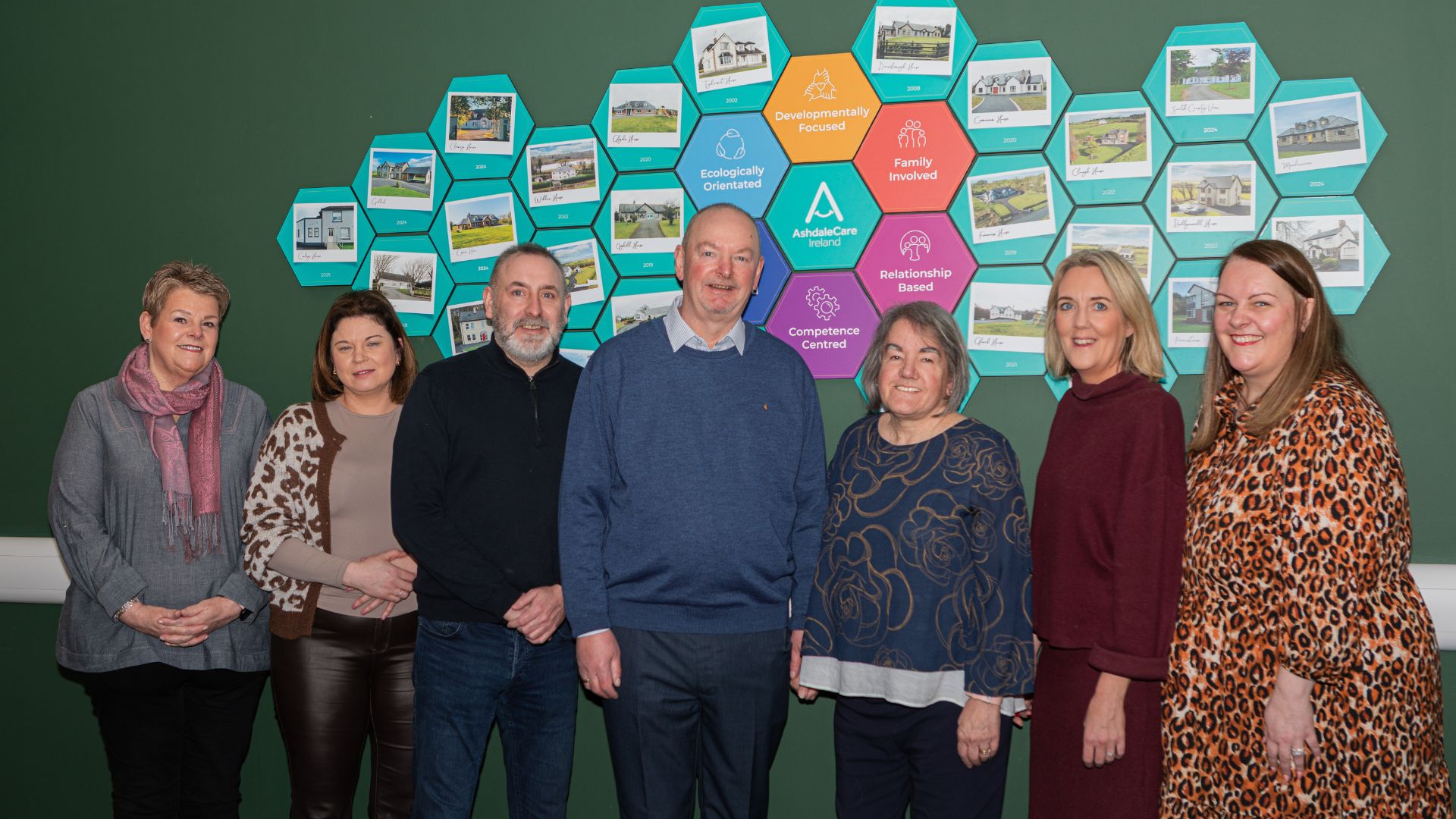
Ashdale Care continues to sustain the Cornell University CARE (Children And Residential Experiences) model as the central framework guiding our therapeutic practice, culture and daily interactions with young people. CARE provides an evidence-informed approach that prioritises relationship-based practice, trauma-responsive care and the creation of conditions in which young people can feel safe, connected and empowered.
Certified in CARE Fidelity
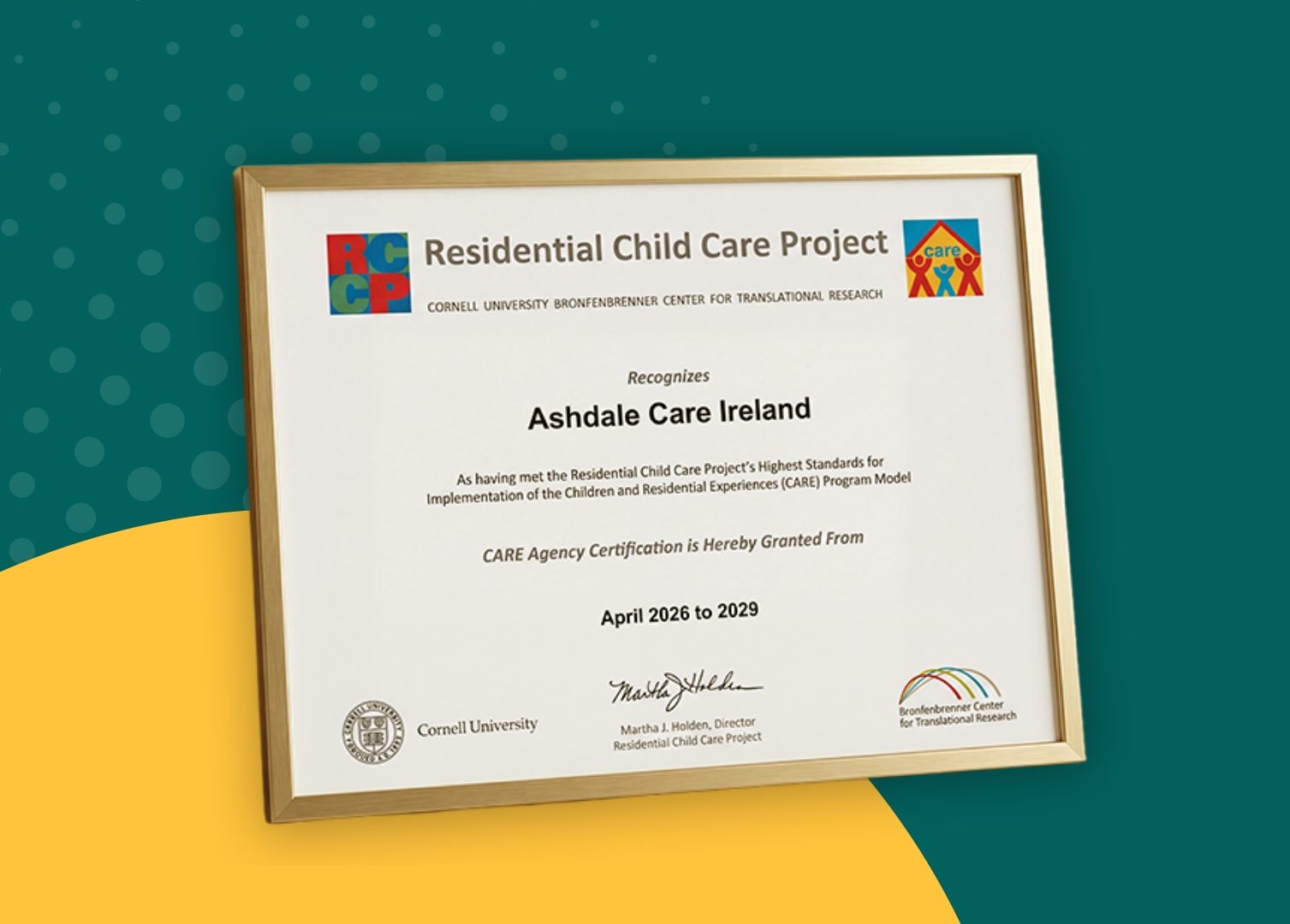
In April 2026, Ashdale Care achieved CARE Fidelity, formally recognising the organisation’s sustained implementation of the Children and Residential Experiences (CARE) model developed by Cornell University. This milestone reflects a comprehensive assessment of practice, leadership, training, supervision and organisational culture, confirming alignment with the six core CARE principles across enhanced services. Achieving CARE Fidelity evidences Ashdale Care’s commitment to relational, trauma informed and developmentally appropriate care for children and young people.
The outcome is the result of consistent leadership, robust governance oversight and continued investment in workforce development. CARE Fidelity provides assurance that care practices are embedded, reflective and sustainable, and supports continuous quality improvement by strengthening consistency of care, staff confidence and positive outcomes for children and young people.
Strengthening Fidelity Across the Organisation
During the last year, we have sustained significant progress in strengthening CARE Fidelity across all residential homes. Maintaining fidelity to the CARE model is essential to ensuring that the CARE principles underpin all aspects of practice, from policy development and staff training, to direct work with young people and multi-agency collaboration.
We have implemented a structured programme of activities designed to strengthen knowledge and evidence our alignment with the CARE principles:
- Organisation-wide CARE training is delivered to all new staff and refreshed for existing teams, ensuring consistent understanding and application of the six core CARE principles: Developmentally-Focused, Family-Involved, Relationship-Based, Trauma-Informed, Competence-Centred and Ecologically-Oriented.
- CARE-aligned supervision supports managers to reinforce reflective practice, promote professional curiosity and guide staff in applying CARE-informed responses to the needs of young people.
- Integration of CARE into policy and documentation ensures that decision-making, care planning, risk assessment and daily practice remain grounded in the model’s principles.
- CARE-informed management oversight enables leaders to monitor the quality of interactions, environmental conditions and the relational climate within each home.
- Continuous learning and quality assurance processes, including audits, reflective practice sessions and team reviews, help ensure that CARE remains active, not abstract.
Impact on Quality of Care
Embedding the CARE model with fidelity continues to have a positive impact on the experiences and outcomes of young people. Teams report:
- Increased consistency in responses to young people
- Improved quality of relationships and connection
- More predictable, safe and nurturing environments
- Enhanced staff confidence in applying trauma-responsive practices
- Better alignment between home culture, organisational values and individualised care planning
CARE fidelity is a core component of Ashdale Care’s governance framework and remains central to our strategy to provide safe, effective and compassionate residential care. Our ongoing commitment to this model ensures that the young people we support experience stable relationships, meaningful connections and opportunities for growth.