CARE Fidelity accredited with Cornell University
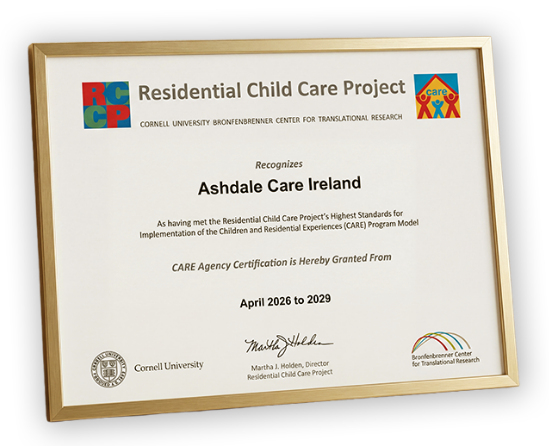
Ashdale Care Ireland are accredited in CARE Agency Certification from the Cornell University Residential Child Care Project.
CARE certification recognises that CARE principles are deeply embedded and authentically lived at Ashdale, shaping relationships, decision‑making, staff practice, supervision, training, and the daily experiences of children and young people. Since first adopting CARE in 2019, Ashdale has invested consistently in trauma‑informed, relationship‑centred care, maintaining fidelity to the model through significant organisational growth, leadership change, and external challenges.
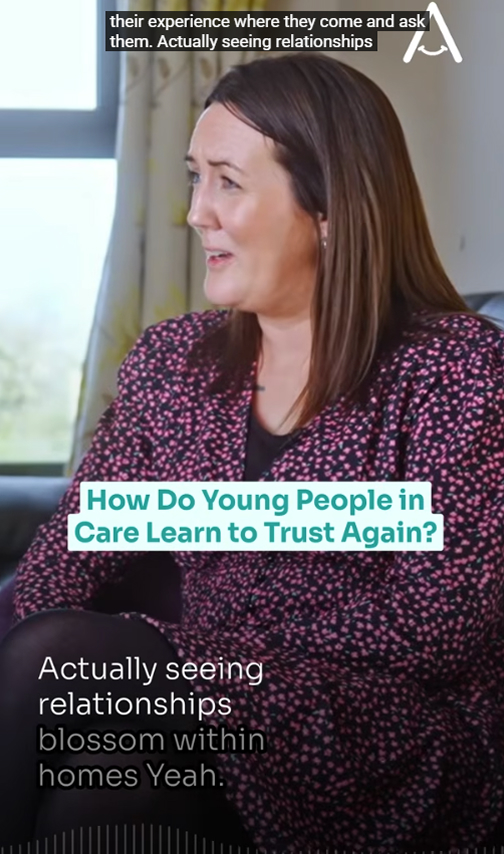
Watch the video below to find out more about our Therapeutic Services

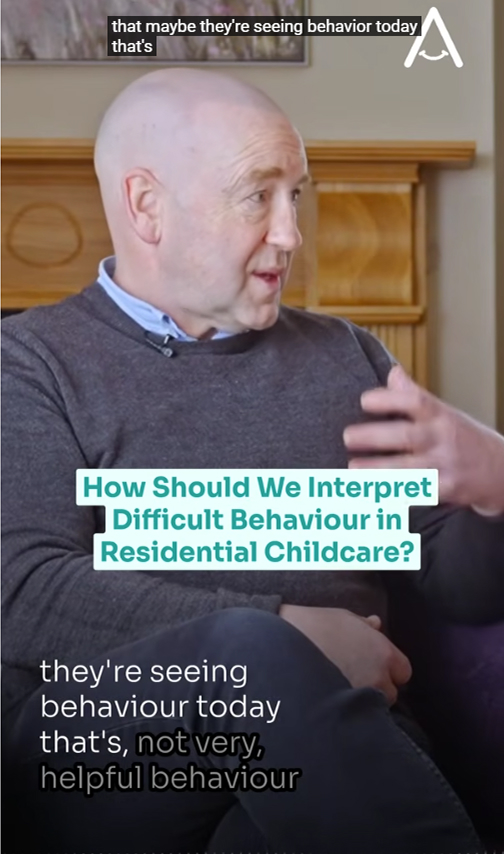
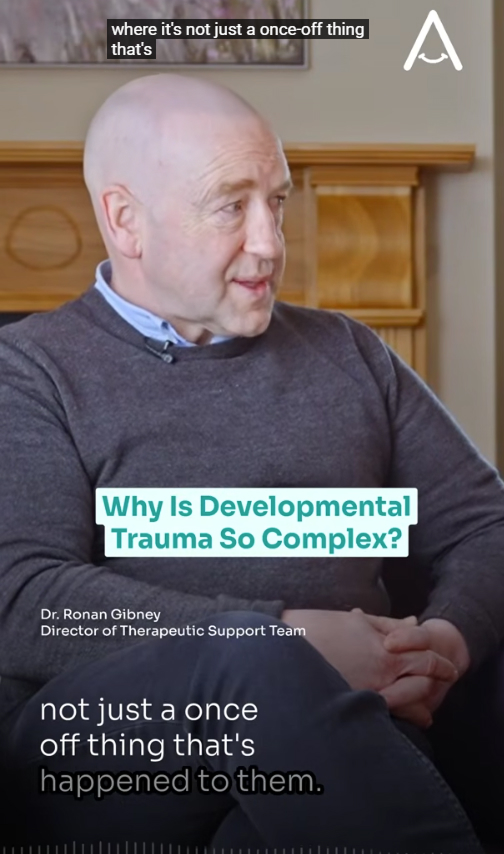
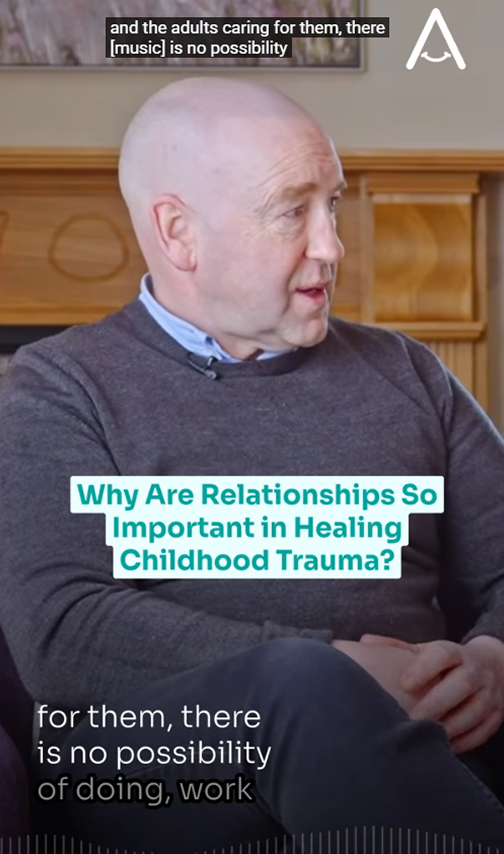
Developmentally Focused
All children have the same basic requirements for growth and development, and need support to grow and develop. Children also learn and perform best when skills are within their Zone of Proximal Development. Therefore, we adjust children’s activities for their success.
Family Involvement
Planning for community support is essential for a successful return to the community. A child’s personal and cultural sense of identity is tied to their family, so family involvement is essential for successful treatment and recovery.“Difficulties are not only experienced by the child but also by the family system.”
Relationship Based
The ability to form relationships is associated with healthy development and life success. Children respond to people they trust, so relationships are central to helping children build competencies. “Every child needs at least one person who is really mad about them”.
Competence Centred
Problem-solving skills, flexibility, critical thinking and insight are necessary life skills. All interactions and activities should be processfocused to teach life skills. A care worker’s task is to increase children’s motivation to learn new skills and to scaffolf and suport them. Children do well if they can. If they can’t, we need to figure out why so we can help.
Trauma Informed
Trauma has a debilitating effect on children’s growth and development. Challenging behaviour can often be understood as a response to a long history of traumatic experiences. Establishing and maintaining an environment of safety and non-violence is essential for children to learn new responses to stressful situations.
Ecologically Oriented
Children learn through interacting with their environment, which is influenced by interactions between the children and staff. Children need opportunities to participate in and interact with all of their environments – physical, emotional, psychological, relational, social and cultural - to grow and develop. “When we plant a lettuce and it doesn’t grow, we don’t blame the lettuce.”
Our commitment to quality
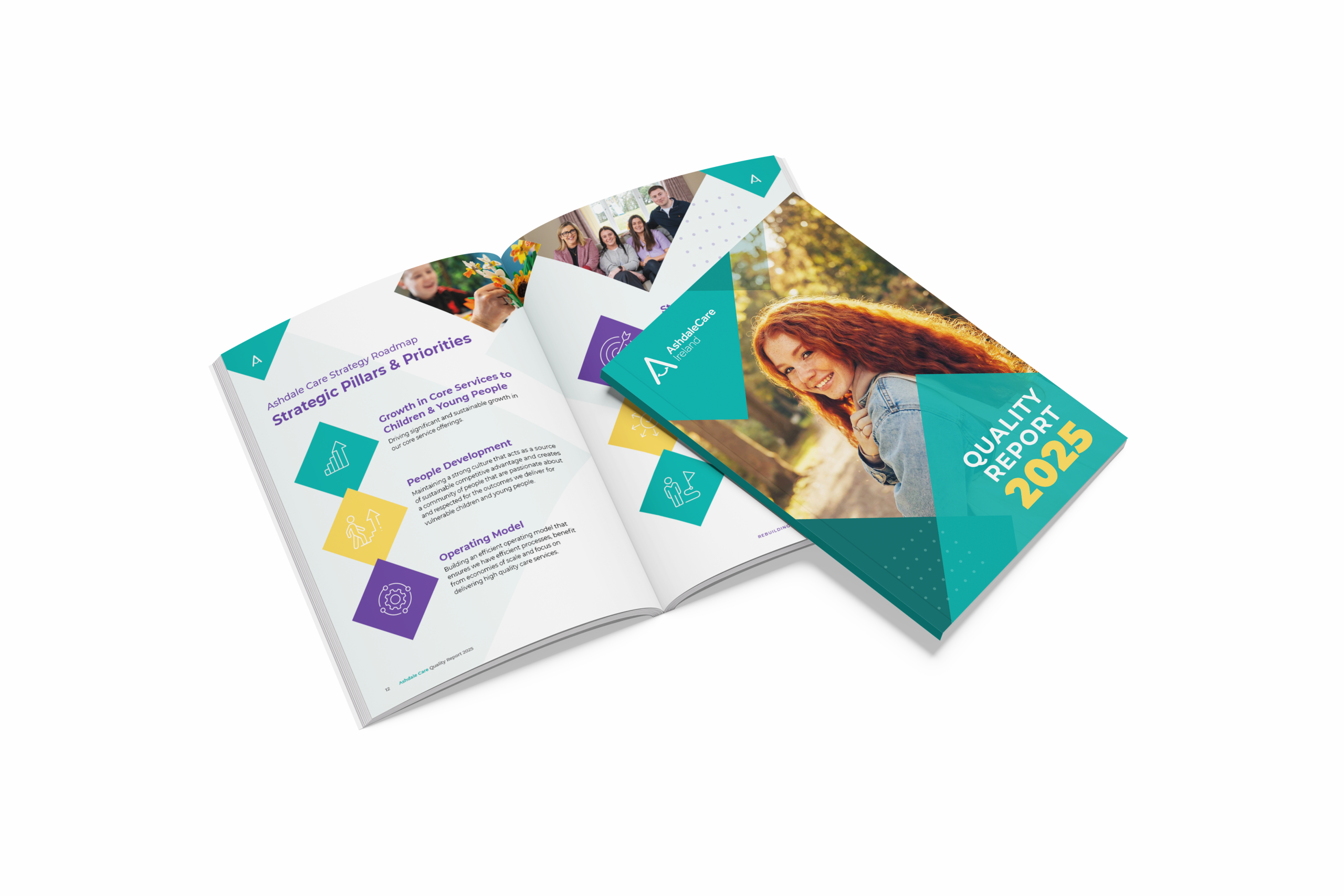
Discover our dedication in action. Download our Quality Report and explore how we uphold excellence in every aspect of our compassionate service to children and young people.